
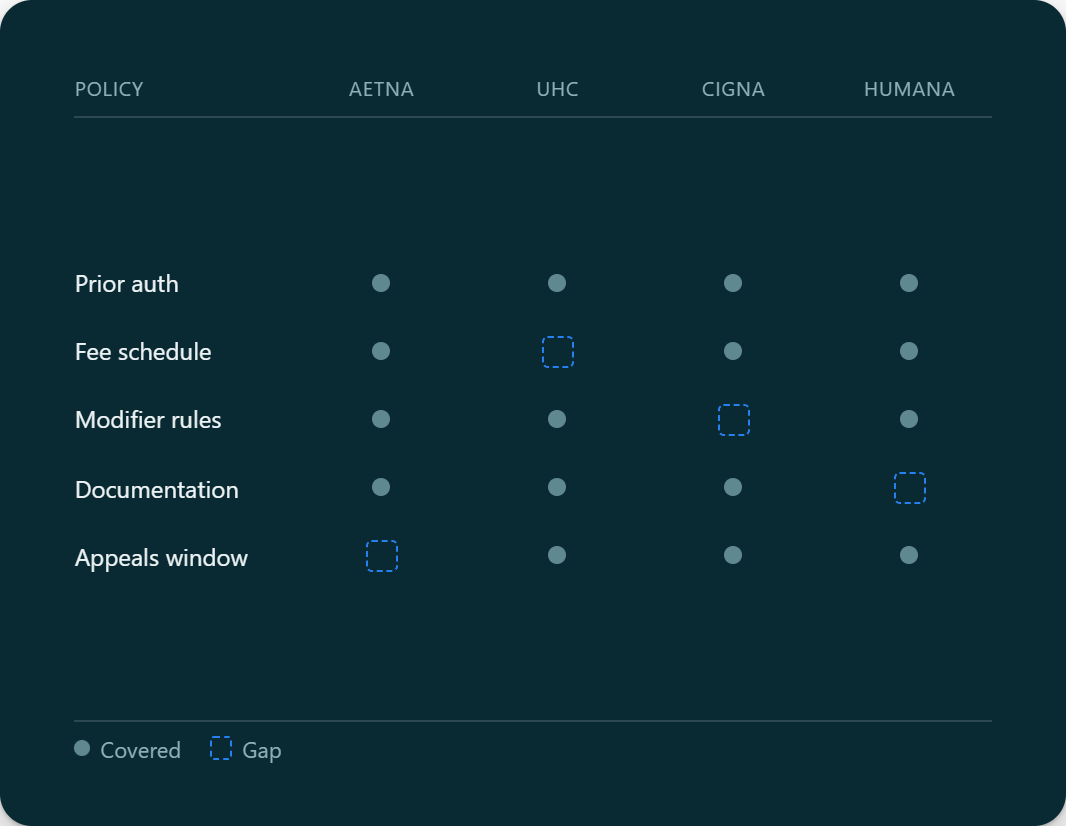
Prior authorization, parity, and session-based billing — all moving at once.
Behavioral health runs on high claim volume and authorization-heavy workflows, with a payer mix that shifts often — a lot of Medicaid. Tally learns those rules so approvals and eligibility keep pace with demand.
- Prior authorization
- Eligibility
- Credentialing
- Parity rules
- Medicaid mix
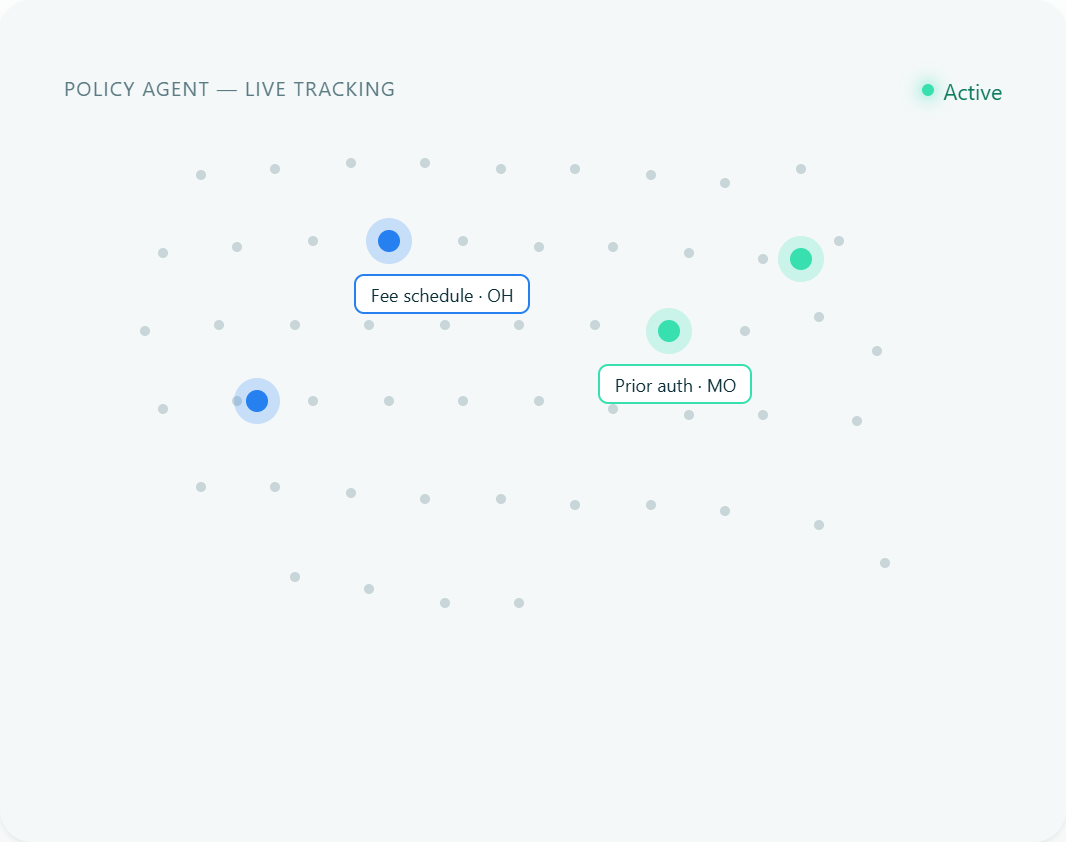
Experts handle the surge; the platform learns the rules that keep changing.
Experts manage the volume
Experts manage authorizations and eligibility at volume.
The platform learns the rules
The platform learns each payer's approval rules.
Denials drop
Fewer denials — even when your caseload doubles.
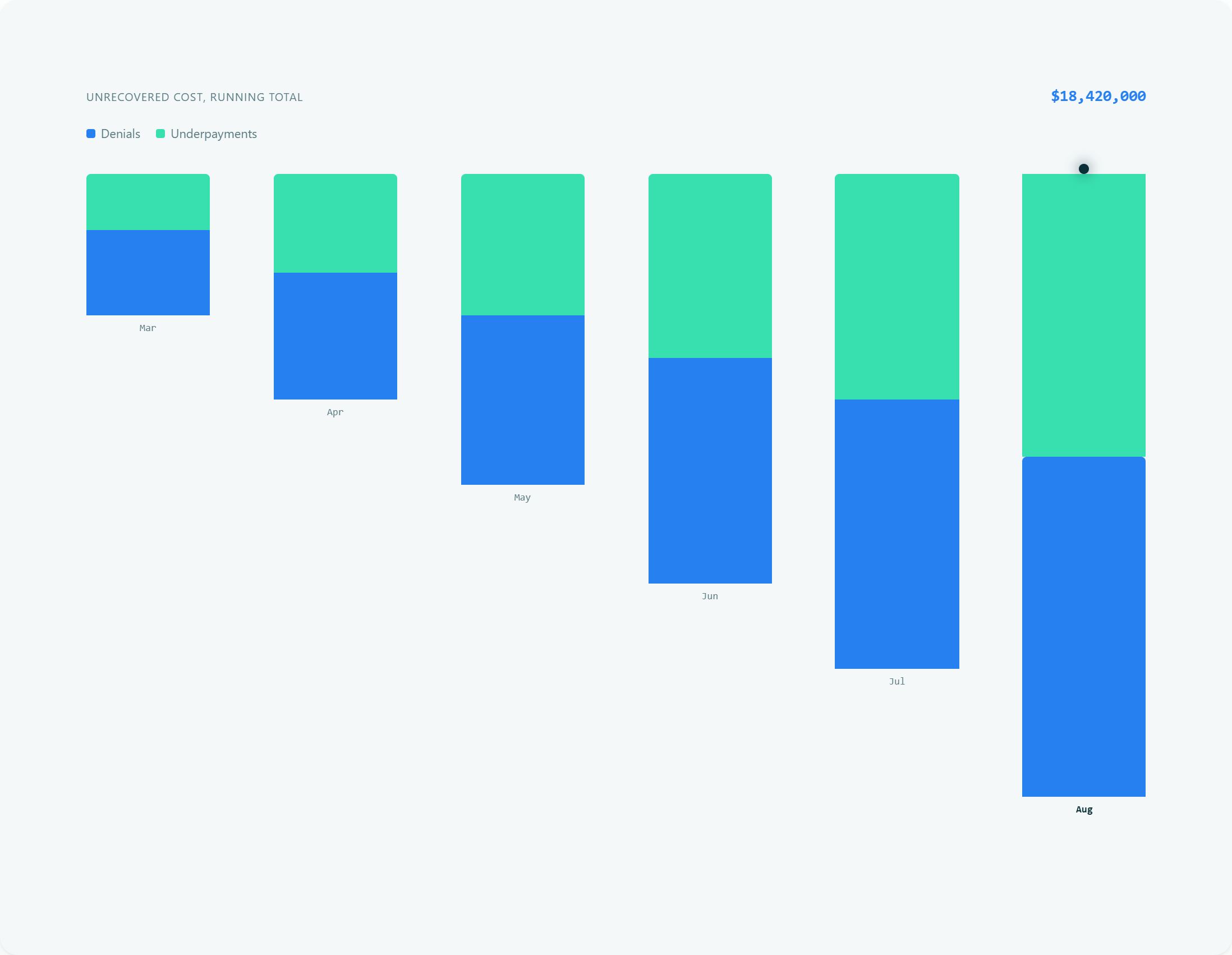
When a payer treats mental health differently, that's recoverable revenue.
Parity rules require payers to cover behavioral health on the same terms as medical care. Tally documents where they don't — so denials rooted in unequal treatment get challenged with evidence.
Integration and security
Tally’s API-based platform integrates seamlessly with your Behavioral Health PMS

Behavioral Health PMS





SOC 2 Type II Compliance



Questions on AI Revenue Cycle Management for Behavioral Health
What is AI revenue cycle management for behavioral health?
AI revenue cycle management for behavioral health combines RCM experts with a platform that learns how each payer actually behaves — which claims get denied, where authorizations stall, and where Medicaid rules shift. For behavioral health specifically, that means keeping pace with prior authorization volume, parity requirements, and eligibility checks without denials piling up as caseloads grow.

How is this different from traditional behavioral health billing?
Traditional billing teams manage payer rules manually and re-learn them as they change. Tally's approach pairs that same expert billing work with a platform that tracks payer-specific patterns from your own claims — so approvals and eligibility checks keep pace with demand instead of falling behind it.
Does Tally handle prior authorization for behavioral health specifically?
Yes. Prior authorization is one of the highest-volume, highest-denial-risk parts of behavioral health billing. Tally's experts manage authorizations and eligibility at volume while the platform learns each payer's approval rules, reducing denials even as caseloads grow.
Who is AI revenue cycle management for behavioral health built for?
Multi-site behavioral health and substance-use providers managing volume across several locations — typically CFOs or owners who need more visibility and control over revenue, not less, as claim volume grows.

Tally Inc. has officially achieved SOC 2 Type II Compliance!
Tally © 2026 All Rights Reserved.